

Drain Cleaning in Durant: What Homeowners Need to Know Before a Backup Happens
A drain backup can seem sudden. Yesterday, the sink was working. Today, there’s dirty water coming up in the shower. But most blockages build over time, and the plumbing usually gives you a few warnings before things get that far.
For homeowners in Durant, OK, everyday buildup is only part of the picture. Older homes, mature trees, and shifting clay soil can all contribute to drain trouble. Seasonal temperature swings and wet-to-dry weather changes also make the condition of your underground pipes worth paying attention to.
You don’t need to know everything about plumbing to avoid a mess. Knowing what to watch for—and when to stop trying to clear a drain yourself—goes a long way.
Warning Signs a Backup May Be Coming
One slow sink doesn’t automatically mean your sewer line is blocked. But a pattern of problems deserves a closer look.
Watch for:
- Drains that keep getting slower. Water pools around your feet in the shower, or the kitchen sink takes longer to empty.
- Gurgling sounds. A toilet bubbles when the washing machine drains, or you hear gurgling from the tub after flushing.
- Several clogged drains at once. When more than one fixture acts up, the blockage may be farther down a shared drain or the main sewer line.
- Water coming up somewhere else. Running the sink causes water to rise in the tub, or flushing the toilet pushes water into the shower.
- A clog that keeps returning. If you’re plunging the same drain every week, the underlying problem probably hasn’t been resolved.
- Persistent sewer odors. A smell alone doesn’t prove there’s a blockage, but it needs attention if it continues or comes with slow drainage.
Water backing up into another fixture is a reason to stop using water and call a plumber.
What Causes Drain Problems in Durant?
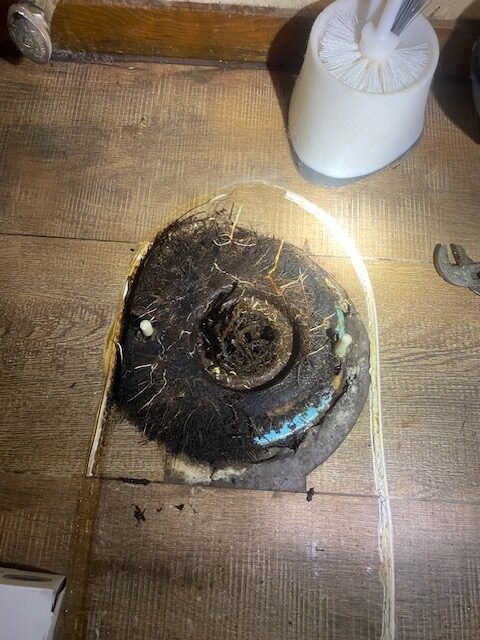
Tree roots finding their way into pipes
A mature shade tree is welcome during an Oklahoma summer. Its roots can become a problem if there’s an opening in a nearby sewer line.
Roots can enter through cracks or loose joints. Once inside, they catch waste and grow into a blockage. The EPA identifies roots entering defective sewer pipes as a cause of sewer overflows. Source: EPA
Drain cleaning can remove the obstruction, but it won’t seal the opening that let the roots in. Recurring root problems call for a closer look at the pipe.
Clay soil and changing ground conditions
Clay soil can expand when wet and shrink as it dries. Where expansive clay is present, that movement can put stress on buried pipes and their connections. Soil conditions vary from property to property, so clay alone doesn’t mean your line is damaged. Source: Oklahoma state guidance
For homeowners in Durant, OK, it helps to distinguish temperature swings from changes in soil moisture. A sudden change in air temperature doesn’t automatically damage a buried sewer line. Seasonal drying, rain, and ground movement are more useful clues when investigating recurring problems.
Old pipes and worn connections
Some older homes still have original sewer piping. Depending on the material and condition, those pipes may develop corrosion, cracks, rough interiors, or separated joints.
That doesn’t mean every older home needs a new sewer line. It means repeated clogs deserve an inspection instead of another guess. Cleaning can remove buildup; it can’t fix a collapsed pipe or correct a section that has settled.
Grease and wipes
Cooking grease, fats, and oils belong in the trash once cooled. Pouring them down the sink can contribute to buildup and blockages.
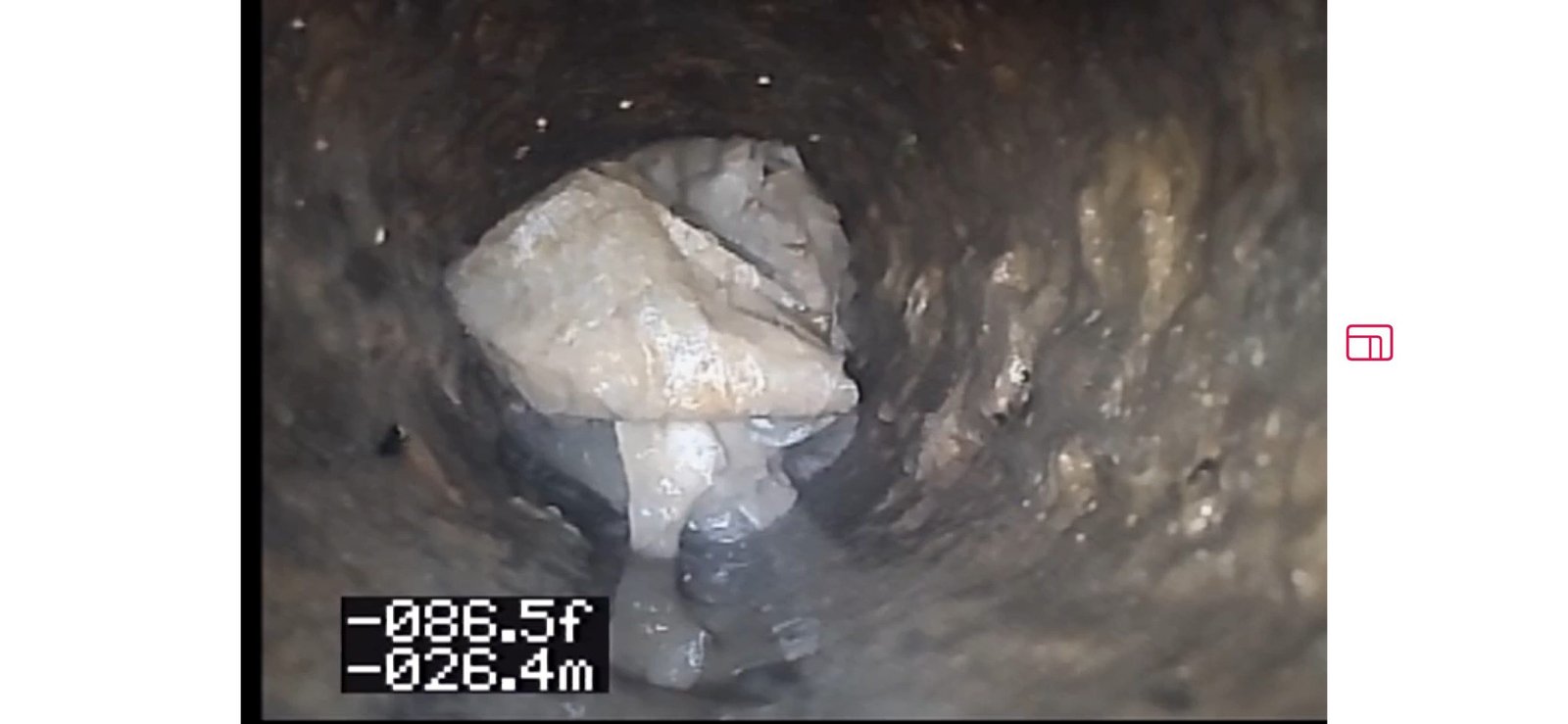
Wipes are another common troublemaker, including products labeled “flushable.” The EPA warns that grease and certain household products, including some flushable wipes, can cause sewer blockages. Source: EPA
A drain may carry something out of sight without carrying it all the way through the system.
Practical Ways to Prevent Clogged Drains
A few consistent habits can help keep your drains moving:
- Collect cooled grease in a container and put it in the trash. Wipe greasy pans before washing them.
- Keep wipes out of the toilet. Use a bathroom trash can for wipes, hygiene products, and cotton swabs.
- Use strainers. Catch hair in the shower and food scraps in the kitchen, then empty the strainers regularly.
- Go easy on the garbage disposal. Scrape plates into the trash first. A disposal doesn’t make every food scrap suitable for your pipes.
- Deal with slow drains early. Don’t wait until the sink stops draining completely.
- Keep your sewer cleanout accessible. If you know where it is, avoid covering it with landscaping or stored items.
- Plan maintenance around your home’s history. A line with recurring roots may need scheduled attention. A trouble-free line may not need the same cleaning schedule.
Avoid repeatedly pouring chemical drain cleaner into a stubborn clog. It won’t repair damaged piping, and standing chemicals can make later work hazardous. If you’ve already used a product, tell the plumber what it was.
When to Call a Plumber
Call a plumber in Durant when several drains slow down together, a clog returns soon after clearing, or water backs up into another fixture.
If sewage is coming into the house, stop running faucets, flushing toilets, and using the dishwasher or washing machine. Adding more water can make the backup worse. Keep people and pets away from the affected area.
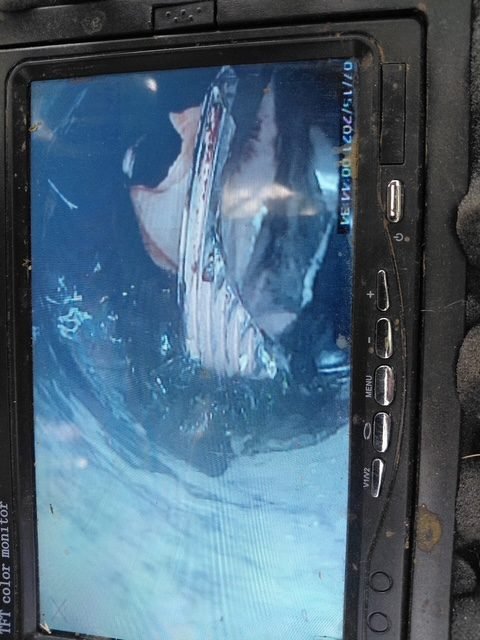
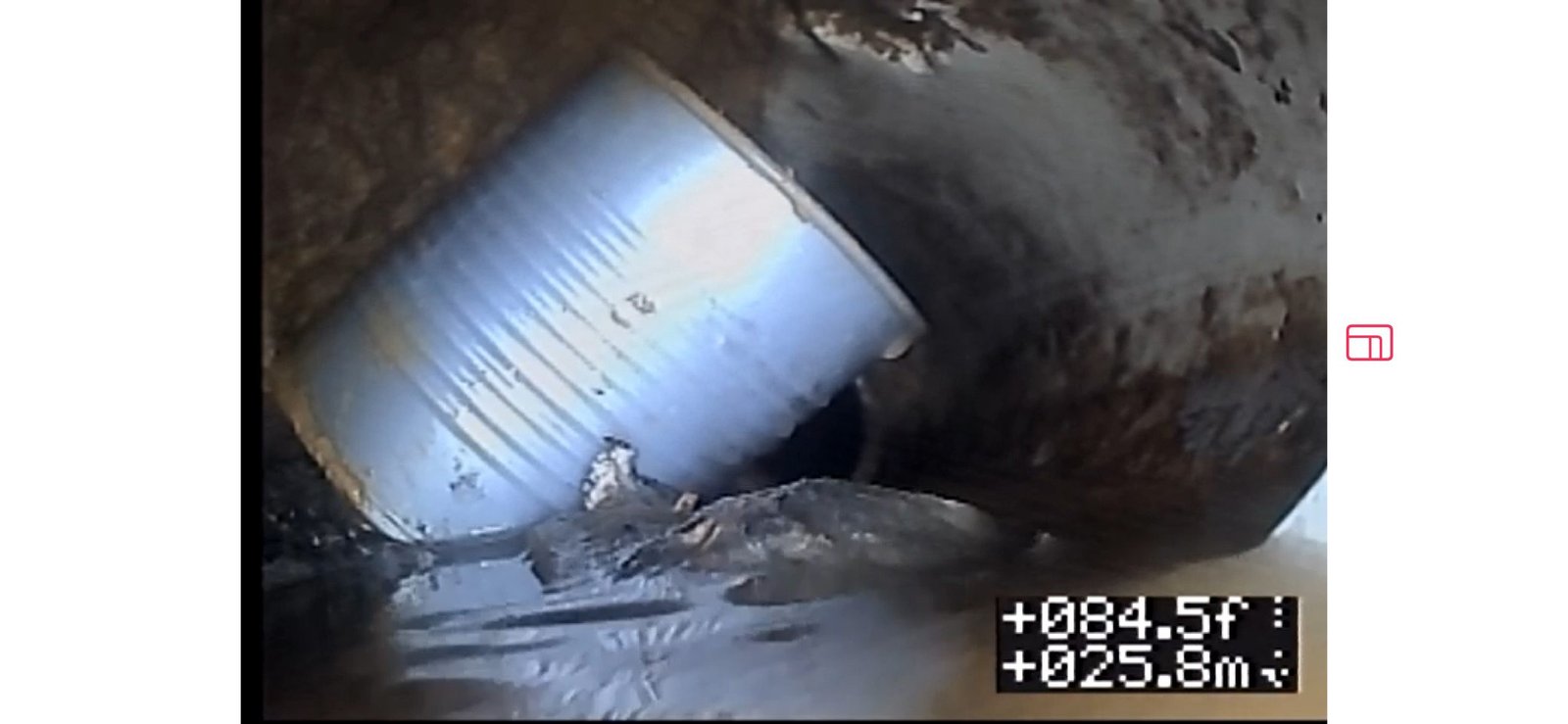
For recurring problems, ask whether a camera inspection would help identify the cause. The right approach depends on what’s blocking the line and whether the pipe is sound enough for the proposed cleaning method.
Good drain cleaning should come with a clear explanation: what was found, what was cleared, and whether anything needs further repair.
Frequently Asked Questions
How often should I schedule drain cleaning?
There isn’t one schedule that fits every home. Homes with recurring buildup or root intrusion may need regular service. For other homes, watching for changes in drainage may be enough. Base the schedule on the condition and history of your pipes.
Does one slow drain mean my sewer line is clogged?
Usually, one slow fixture points to a problem closer to that fixture. Several slow drains, gurgling toilets, or water backing up elsewhere can indicate a blockage in a shared line or the main sewer line.
Will drain cleaning fix tree roots permanently?
Cleaning can remove roots from inside the pipe, but roots may return through the same opening. An inspection can help determine whether a repair is needed.
Should I keep flushing a toilet to clear a backup?
No. If the water rises or comes back up, stop flushing. Another flush can overflow the bowl or add water to a blocked line.
Schedule Drain Cleaning With Titan Plumbing LLC

If your drains are slowing down, gurgling, or backing up, contact Titan Plumbing LLC to schedule drain cleaning in Durant, OK. Explain what’s happening, which fixtures are affected, and whether it has happened before.
Getting a recurring drain problem checked now can help you avoid finding out how serious it is with wastewater on the floor.
Call (580) 740-6000 to schedule service with Titan Plumbing LLC.